Cast Iron Skillets: A Practical Buying Guide
Cast iron is cheap, heavy, and nearly indestructible, but weight, surface finish, and handle length decide whether you reach for it daily or never.
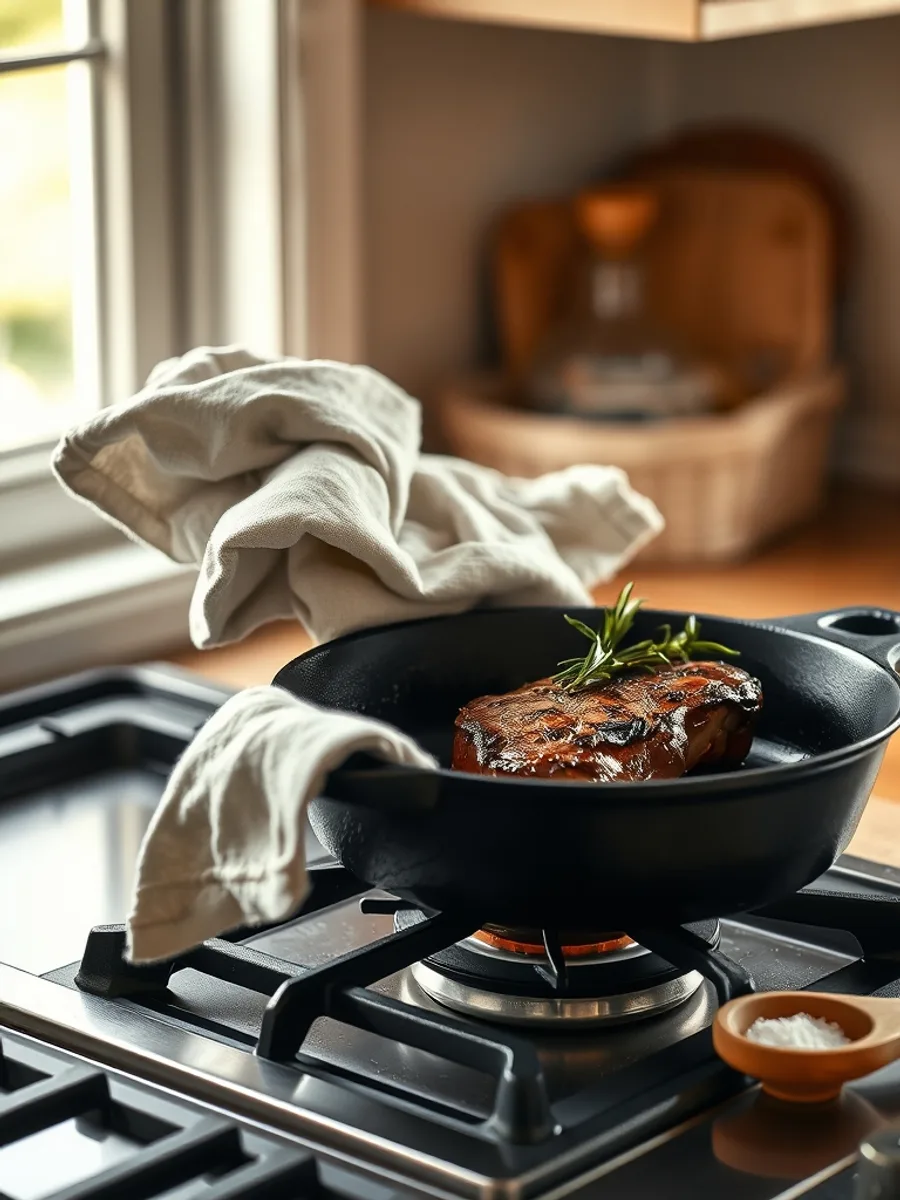
A cast iron skillet is the only pan in most kitchens that can be bought once and used for thirty years, which makes the buying decision unusually worth getting right. The differences between a good one and a frustrating one are not brand names. They are weight, surface finish, handle geometry, and how the pan was cast.
This post contains affiliate links. If you buy through them, we may earn a commission at no extra cost to you. Read our Affiliate Disclosure.
What cast iron actually is
Bare cast iron is an alloy of iron and a small amount of carbon, poured into a sand mould while molten. That process leaves a slightly pebbly surface unless the manufacturer machines it smooth afterwards. Older pans were ground smooth; many modern ones are left as cast and rely on seasoning to fill in the texture. Neither approach is wrong. A rough pan takes longer to become slick, and a machined pan costs more.
Enamelled cast iron is the same iron body with a glass coating fired onto it. It does not need seasoning, does not react with acid, and cannot be re-seasoned if the enamel chips. It also costs roughly twice as much and weighs the same.
Seasoning is maintenance, not magic
Seasoning is a layer of oil that has polymerised — bonded into a hard, dry film — on the iron. It is not a permanent non-stick coating. It builds with use and thins with washing, and it can always be rebuilt.
To season a bare pan, scrub off any factory wax, dry it thoroughly, rub a very thin film of a high-smoke-point oil over the whole surface, and heat it above the oil's smoke point for about an hour. Repeat two or three times. Too much oil is the usual mistake: it pools and turns sticky rather than hard.
Cook fatty, non-acidic things for the first month — eggs, potatoes, pork — and the seasoning will settle. Long-simmered tomato sauce or a wine deglaze will strip it back, which is why enamel exists.
How to tell a pan is properly seasoned
A seasoned pan is matte, not glossy, and water beads on it rather than spreading. If the surface feels tacky, there is too much oil. If patches of gray metal show through, the film has worn and needs a thin coat and a short bake — not a full restoration.
Weight and handle geometry
A 10-inch bare cast iron skillet typically weighs 5 to 7 pounds. That is the number that decides whether you use it. A pan you can lift with one hand and tip to baste is a pan you will reach for; a 12-inch pan that weighs 9 pounds tends to stay in the cupboard.
Look at three dimensions before buying. The cooking surface, which is smaller than the rim diameter by an inch or so. The overall length including the handle, which determines whether the pan fits your oven and your cupboard. And the handle length: a short handle keeps the pan balanced on a burner but puts your knuckles near the heat, while a long handle keeps your hand clear but makes a heavy pan feel heavier.
A helper handle on the opposite side is worth having above 11 inches. Pour spouts matter if you make pan sauces. Check the base diameter against your largest burner, and confirm the pan is oven-safe to the temperature you actually use — most bare iron is fine to 500°F and beyond, while enamel has a limit the manufacturer will state.
Sizes, and what you actually cook
An 8-inch pan is a two-egg breakfast and little else. A 10-inch pan is the sensible default for a household of two to four: two steaks, a frittata, four chops. A 12-inch pan is for a family, a whole chicken, or a batch of cornbread, and it needs a big burner and a strong wrist.
If you buy one, buy the 10-inch. If you buy two, add the 12-inch rather than the 8-inch. A grill pan looks useful and is the least-used pan in most kitchens, because the ridges are hard to clean and the food cooks unevenly.
| Product | Best for | What to know |
|---|---|---|
| 10-inch bare skillet | Everyday searing and eggs | Around 5–7 pounds; check the cooking surface, not the rim |
| 12-inch skillet with helper handle | Family cooking and oven finishes | Heavy; confirm it fits your oven and cupboard |
| Enamelled skillet | Tomato sauces and acidic braises | No seasoning needed; enamel chips are permanent |
| Deep skillet or chicken fryer | Shallow frying and stews | Taller walls slow evaporation; heavier than a standard pan |
| Cast iron griddle | Pancakes and flatbreads | Needs a flat burner or two; seasoning covers a large area |
For most kitchens, a pre-seasoned 10-inch cast iron skillet is the right first purchase, and a 12-inch skillet with a helper handle covers larger meals. If acid is a regular part of your cooking, an enamelled cast iron skillet is the practical addition, and a cast iron griddle earns its space if you make breakfast for a crowd.
Living with it
Wash the pan with hot water and a brush while it is still warm, and use a little mild soap if you like — a brief wash will not destroy a well-built seasoning. Dry it on the stove over low heat, then wipe a trace of oil across the surface. Never soak it, and never leave it in the sink.
Storage matters because cast iron is heavy and the handle is long. A hook or a stacked pile with a cloth between pans protects the seasoning; a drawer full of loose pans will chip it. Our guide to kitchen counter organization covers keeping the pan within reach without crowding the prep space, and pantry organization systems is the place to think through where the lids and trivets live. When the pan goes to the table, it pairs naturally with everyday dinnerware that can take a hot base.
FAQ
Do I need to season a pre-seasoned skillet?
Not before the first use, but the factory coating is thin. Cook fatty foods for the first few weeks and give it a thin coat of oil after each wash. A full oven seasoning is worth doing after a month of use, once you know how the pan behaves.
Can I use soap on cast iron?
Yes, a small amount of mild dish soap is fine. The old advice came from an era of harsher soaps that could strip a young seasoning. What actually damages the pan is soaking it in water or leaving it wet, which causes rust.
Will cast iron scratch a glass-top stove?
The pan itself will not scratch a smooth ceramic surface if you lift rather than slide it, but a rough cast base can leave marks. Check that the base is flat and free of grit, and avoid dragging the pan across the cooktop.